
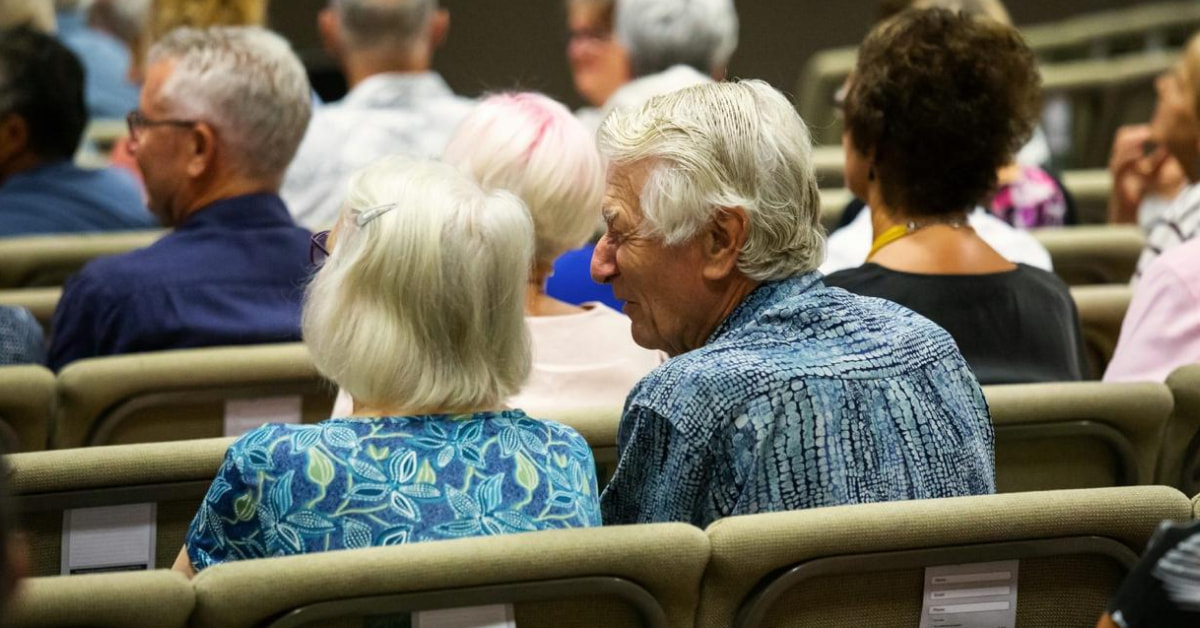
That feeling is real and genuine. At the same time, moving into independent living isn’t just about leaving things behind. It can also create opportunities for a different lifestyle. One with fewer daily tasks, more flexibility, time to relax, and new ways to connect.
In an independent living community, freedom can mean something different, leaving more time and energy for what truly matters.
A Different Kind of Freedom
Living in an independent living community doesn’t take away freedom, but it changes how freedom is experienced daily.
For example, instead of spending time on home maintenance, yard work, or coordinating repairs, those tasks are handled. By not spending time in that way, there is room, both physically and mentally, to focus less on managing a home and more on how time is used.
There is still choice, privacy, and the ability to go through the day independently. The difference is that daily life is no longer dictated by ongoing household chores, responsibilities, and maintenance.
For many, this change brings a new kind of freedom. No longer is life about managing everything, but about having more options regarding where to spend time and energy.
What that looks like in practice becomes clearer in the flow of a typical day.
What a Typical Day Can Look Like
While each independent living community has its unique aspects, most days follow a natural rhythm focused on meals and optional activities.
Mornings usually start at a slower pace, with breakfast available and time to relax into the day. After that, residents decide how they want to spend their time. Some prefer to stay active with exercise or group classes, while others might run errands, read, or enjoy quiet moments.
Throughout the day, there are usually chances to join scheduled activities. These might include games, discussion groups, hobby gatherings, outings, shopping, or occasional events related to holidays or entertainment. Participation is never required.
Of course, get-togethers also occur naturally among residents with shared interests, and meals are an easy way to connect, providing a chance to gather without any obligation. Residents can always choose when and how they participate or simply stick to their own routines.
Many communities have staff or coordinators who help organize activities and ensure options are available, but participation is always a personal choice. The result is a day that provides structure when desired and flexibility when needed.
And just as important, many of the daily responsibilities that used to fill the day are no longer part of it.
Letting Go of the “To-Do List”
One of the biggest shifts in freedom in independent living isn’t always obvious at first. It can take a little while to feel it.
It’s not just what gets added to the day —the meals, the activities, outings, and more, but what quietly disappears from it. Many of the routine responsibilities of maintaining a home are no longer part of daily life.
That often includes things like:
- Home maintenance and repairs
- Yard work and exterior upkeep
- Coordinating service providers or waiting for appointments
- Cooking every meal and managing groceries
- Cleaning and household chores
Without these ongoing tasks, days become more open for doing more of what you want to do. There’s less to manage and fewer demands, which can create a greater sense of ease.
For some, this change is exactly what they’ve been looking for. For others, it raises the question of whether this kind of shift is the right fit.
Who Independent Living is a Good Fit For
Independent living is generally a good fit for individuals and couples who are active, able to manage their day-to-day lives without assistance, and ready to simplify the responsibilities of maintaining a home.
It’s a living option with opportunities to be involved, build connections, form friendships, and still maintain privacy and independence. It really can be the best of both worlds for people looking for their “what’s next.”
It may be a good fit for those who:
- Want fewer day-to-day responsibilities
- Are not in need of daily personal care
- Value flexibility and their independence
- Would enjoy having opportunities for social connection easily accessible
- Are ready to simplify their living environment
For those who find themselves in this place in life, the move to independent living is about how they want to live moving forward.
A Final Thought
Choosing to move into an independent living community is a personal decision that involves a mix of practical considerations and emotions. It’s not just about where to live, but how to live.
For many, independent living offers a way to simplify daily life while staying active, engaged, and connected. It creates the opportunity to focus less on responsibilities and more on what feels meaningful from one day to the next.
At Senior Housing Managers, we believe in enhancing the lives of those we serve by creating environments that support independence, dignity, and choice.
If you are beginning to explore independent living options, we welcome the opportunity to answer your questions and help you better understand what the right fit might be.
By Jeanne Bellew and Carl Mason